Is Pepperoni Halal? Understanding Halal Meat Toppings on Pizza
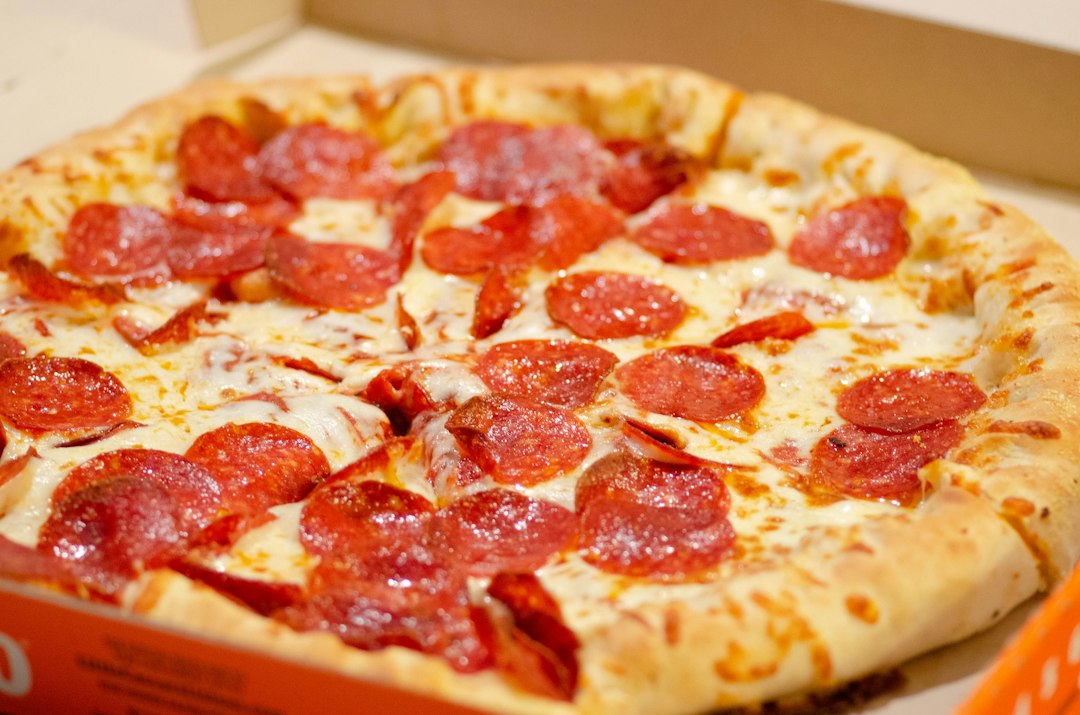
There’s a question I hear all the time, especially when someone is craving a classic pizza: "Is pepperoni halal?" It’s a perfectly valid inquiry, and one that deserves a clear, authoritative answer, especially when navigating the delicious world of pizza toppings. For many, finding truly `halal pepperoni pizza` can feel like a quest, leading to a bit of confusion about what exactly constitutes `halal meat toppings`. I’m here to demystify it all for you, drawing on my experience in understanding and explaining dietary requirements, particularly within the context of diverse food choices. Let's dive in and get to the bottom of this cheesy, meaty dilemma.
What Does 'Halal' Truly Mean? Laying the Foundation for Permissible Toppings
Before we tackle pepperoni specifically, it’s essential to understand the core concept of "halal." In Arabic, "halal" simply means permissible or lawful, according to Islamic law. This isn't just about meat; it applies to all aspects of life, from conduct to finance. However, when we talk about food, and especially meat, the rules become quite specific.
For meat to be considered halal, several conditions must be met. First and foremost, pork and its by-products are strictly forbidden (haram). Beyond that, other animals, like beef, chicken, or lamb, must be slaughtered according to specific Islamic rites, known as Dhabihah. This method involves a quick, merciful cut to the animal's throat, ensuring that the animal is healthy at the time of slaughter and that all blood is drained. It’s a process focused on minimizing pain and respecting the animal's life. Furthermore, any meat must not have been cross-contaminated with non-halal products or alcohol during processing or preparation.
The Core Challenge: Is Traditional Pepperoni Halal?
Now, let's address the elephant in the room: traditional pepperoni. The short, direct answer to "is pepperoni halal?" is typically no. Here's why.
Classic pepperoni, as most of us know it, is a type of spicy salami usually made from cured pork and beef. The combination of pork, which is unequivocally forbidden (haram) in Islam, and the conventional processing methods, means that traditional pepperoni cannot be considered halal. Even if pepperoni were made solely from beef, if it hasn't been sourced and prepared according to Dhabihah standards and certified as halal, it would still not meet the requirements. This distinction is crucial for anyone seeking to adhere to halal dietary guidelines.
Finding Your Halal Pepperoni Pizza: Options and Certifications
So, does this mean a `halal pepperoni pizza` is just a dream? Absolutely not! The good news is that due to increasing demand and diverse food markets, halal alternatives for many traditional products, including pepperoni, are readily available.
These halal versions of pepperoni are typically made from beef, chicken, or turkey that has been processed and prepared according to strict halal guidelines. The key difference isn’t just the animal; it's the entire production chain. When you’re looking for halal pepperoni, you need to seek out products that carry official halal certification. These certifications are issued by recognized Islamic organizations that meticulously audit the sourcing, slaughter, processing, and packaging to ensure full compliance. This gives consumers the confidence that the product truly meets all religious requirements. Many specialized halal grocery stores, and even some mainstream supermarkets, now stock certified halal pepperoni.
Beyond Pepperoni: Exploring Other Halal Meat Toppings for Your Pizza
While pepperoni might be the star of the show for many, the world of `halal meat toppings` for pizza is incredibly vast and delicious. If you're looking for variety, or perhaps haven't found a halal pepperoni you love, there are plenty of other options.
Some popular and widely available halal meat toppings include:
1. **Halal Chicken:** Whether it's grilled chicken strips, shredded chicken, or spicy chicken tikka, chicken is a fantastic and versatile pizza topping when sourced halally.
2. **Halal Beef:** Ground beef, beef sausage crumbles, or thinly sliced steak can add a rich, savory flavor to your pizza. Just like pepperoni, ensure it’s certified halal beef.
3. **Halal Lamb/Gyro Meat:** For those who enjoy a Mediterranean twist, thinly sliced halal lamb or gyro meat makes for an incredibly flavorful and unique pizza experience.
4. **Halal Turkey Bacon/Sausage:** These are excellent substitutes for their pork counterparts, offering similar textures and smoky flavors when properly seasoned and cooked.
When exploring these options, always remember the golden rule: verify the halal certification of the meat. Many dedicated halal restaurants and pizzerias proudly display their certifications, making your choice much easier.
Making Informed Choices: Why Halal Certification Matters
In today’s globalized food market, the term "halal" can sometimes be used loosely. This is why relying on official certification is paramount. A "halal style" label or a verbal assurance isn't always enough to guarantee adherence to Islamic dietary laws. Authentic halal certification involves a rigorous process, including:
* **Source Verification:** Ensuring animals are raised and fed according to permissible guidelines.
* **Slaughter Process Auditing:** Confirming Dhabihah standards are strictly followed.
* **Ingredient Review:** Checking all ingredients for the presence of forbidden items (e.g., alcohol, pork derivatives).
* **Cross-Contamination Prevention:** Ensuring no contact with non-halal products during processing, storage, and preparation.
When you see a reputable halal certification logo, you can be confident that the product has undergone this scrutiny. Don't hesitate to ask restaurants for their halal certifications or their meat suppliers. Your peace of mind and adherence to your dietary principles are worth the extra step.
Frequently Asked Questions About Halal Meat Toppings
I know many of you have specific questions when it comes to finding authentic halal food. Here are some of the most common ones I encounter:
**Q1: Is all beef pepperoni automatically halal?**
A: No, absolutely not. While it's not pork, beef pepperoni must still be made from beef that was slaughtered according to Dhabihah methods and processed without any non-halal ingredients or cross-contamination. Always look for explicit halal certification on the packaging.
**Q2: Can I find halal pepperoni at mainstream grocery stores?**
A: Yes, it's becoming increasingly common! Many larger grocery chains now carry certified halal products, including beef or turkey pepperoni. You might find them in the specialty foods section or alongside other deli meats. Again, always check for the halal certification logo.
**Q3: What are some safe, reliable places to find `halal chicken wings queens` or other certified halal meat?**
A: For specific local needs like `halal chicken wings queens`, I recommend searching online directories for certified halal restaurants, butchers, and grocery stores in that area. Websites and apps dedicated to halal food often list establishments that have been vetted for their halal practices. Don't hesitate to call ahead and ask about their certification.
**Q4: How can I tell if a restaurant truly serves halal pizza or other halal dishes?**
A: The most reliable way is to look for clear signage of halal certification displayed prominently in the restaurant. If you don't see one, politely ask the staff if they are certified halal and, if so, by which organization. Reputable halal establishments are usually proud to share this information.
**Q5: Are vegetarian pizzas always considered halal?**
A: Generally, yes, a purely vegetarian pizza without any meat or alcohol (which can sometimes be used in flavorings or doughs, though rarely) would be considered halal. However, for strict adherence, ensure that the cheese used is not made with animal rennet from a non-halal source and that there's no cross-contamination from non-halal meat toppings in the kitchen.
Enjoy Your Halal Pizza!
Navigating the world of dietary choices can sometimes feel complex, but I hope this guide has brought some clarity to the question, `is pepperoni halal?` While traditional pepperoni isn't permissible, the good news is that delicious and authentic `halal pepperoni pizza` options are out there. The key is to be informed, look for proper halal certification, and not shy away from asking questions. With a little diligence, you can confidently enjoy a wide array of `halal meat toppings` on your next pizza night. Go forth and savor every halal bite!
